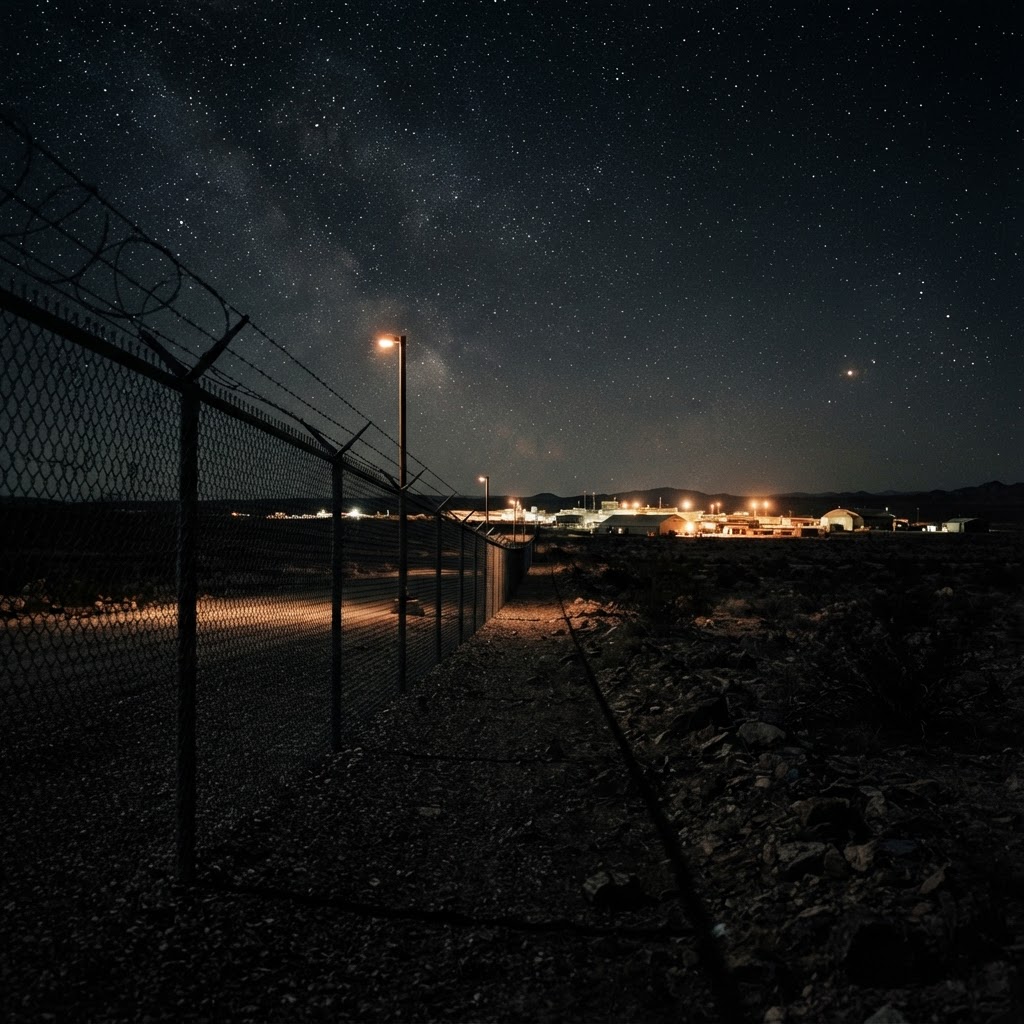
Tucked away in the desert of southern Nevada inside the Nevada Test and Training Range, Groom Lake, known universally as Area 51, has captivated the public imagination for decades. For generations, this remote military installation served as the testing ground for classified Cold War aerospace programs, stealth aircraft development, and highly compartmented national security research. To separate official aviation history from popular extraterrestrial myths, reading well-researched area 51 books is essential for serious truth seekers and historians. Comprehensive literature on the installation provides fascinating insights into declassified U-2 spy plane development, nuclear weapons testing, whistleblower testimonies, and reverse engineering claims. In this buyer guide, we review top-rated area 51 books and investigative media that pull back the curtain on America's most secret military installation. You can also explore our broader selection of extraterrestrial literature on our Aliens books category page and read our overview on understanding conspiracy theories. As an Amazon Associate we earn from qualifying purchases.
The Short Answer: Top Picks for Area 51 Books
Looking for the most reliable area 51 books to start your investigation into Groom Lake secrecy? Here is our quick recommendation summary based on journalistic rigor, historical depth, and archival documentation:
- Best Comprehensive History: Area 51: An Uncensored History of America's Top Secret Military Base by Annie Jacobsen. Essential reading for declassified Cold War aerospace history.
- Best Broad Intelligence Overview: Above Top Secret by Jim Marrs. Outstanding context connecting Area 51 classification protocols with national security cover-ups.
- Best Primary Source Companion: Witness to Roswell (75th Anniversary Edition) by Thomas J. Carey and Donald R. Schmitt. Critical companion connecting early 1947 crash recoveries with subsequent Nevada testing sites.
Featured Area 51 Books and Media
Browse our recommended area 51 books and investigative guides directly from our store catalog below:
Detailed Reviews of Essential Area 51 Books
1. Area 51: An Uncensored History of America's Top Secret Military Base: Annie Jacobsen
When evaluating modern area 51 books, Annie Jacobsen's Area 51: An Uncensored History of America's Top Secret Military Base stands as a monumental work of investigative journalism. Drawing from interviews with dozens of former Groom Lake scientists, pilots, engineers, and intelligence officers, Jacobsen delivers a riveting account of the facility's secret origins in 1955 under CIA Director Allen Dulles. The book explores the development of groundbreaking aerospace projects including the U-2 spy plane, the A-12 Oxcart, and the stealth F-117 Nighthawk fighter. It also delves into nuclear weapons testing and atmospheric fallout hazards during the Cold War. While Jacobsen addresses controversial whistleblower claims regarding alien technology, her primary focus remains grounded in verified military documentation and government archives. Readers comparing various area 51 books will find this 592-page volume an indispensable foundational text.
Pros:
- Features extensive interviews with seventy key Groom Lake veterans and intelligence personnel.
- Provides authoritative technical history on Cold War stealth aircraft development.
- Includes declassified CIA and Department of Defense archival records.
Cons:
- Includes a controversial final chapter that generates intense debate among readers.
- Focuses more heavily on human engineering history than on alien reverse engineering theories.
2. Above Top Secret: UFO's, Aliens, Conspiracies & Cover-Ups: Jim Marrs
Investigative author Jim Marrs offers an essential macro-perspective in Above Top Secret, connecting Groom Lake operations to broader military secrecy structures. While dedicated area 51 books focus strictly on the Nevada desert, Marrs analyzes how compartmented intelligence programs function across multiple federal agencies. The book examines whistleblower statements, unredacted government memos, and executive secrecy orders that created the legal framework for operating black budget facilities like Area 51. Marrs evaluates claims made by figures such as Bob Lazar, who alleged in 1989 that he worked on extraterrestrial craft at the nearby S-4 site at Papoose Lake. By placing these claims within a broader history of classification, Marrs provides crucial context for anyone studying area 51 books and national security cover-ups.
Pros:
- Comprehensive analysis connecting Groom Lake to black budget military funding.
- Evaluates whistleblower testimonies alongside official government records.
- Extensive documentation makes it a valuable ongoing reference guide.
Cons:
- Covers a wide range of global conspiracy topics beyond Nevada installations.
- Dense text requires dedicated reading time to digest complex details.
3. Witness to Roswell, 75th Anniversary Edition: Thomas J. Carey & Donald R. Schmitt
To understand why Area 51 became associated with extraterrestrial technology in popular culture, one must understand the 1947 New Mexico crash recovery detailed in Witness to Roswell. Authors Thomas J. Carey and Donald R. Schmitt present a crucial precursor to all area 51 books, establishing how early military crash retrievals led to centralized secrecy protocols at remote testing grounds. According to researchers and whistleblowers, recovered crash debris and exotic metallurgy were transferred to specialized military facilities for long-term study. This updated 75th anniversary volume documents hundreds of eyewitness statements, deathbed affidavits, and military transport logs. For readers building a complete library of area 51 books, understanding the 1947 origin story provides essential historical context. You can also review our detailed guide on the Roswell incident page.
Pros:
- Unrivaled collection of primary witness interviews and sworn statements.
- Establishes the historical bridge between 1947 crash recoveries and Nevada testing sites.
- Chronological breakdown of military containment procedures.
Cons:
- Primary setting is New Mexico rather than the Nevada desert installations.
- Relies heavily on historic testimonies recorded decades after the event.
Historical Background: From Groom Lake to Bob Lazar
The historical significance of Area 51 began in 1955 when CIA officer Richard Bissell and aircraft designer Kelly Johnson selected the dry lakebed at Groom Lake to test Lockheed's U-2 reconnaissance plane. Located northwest of Las Vegas within the Nevada Test Site, the remote location offered ideal secrecy and security. Over subsequent decades, the facility expanded to host development for the supersonic A-12 Oxcart, the SR-71 Blackbird, and the F-117 Nighthawk stealth fighter. During these years, the facility was officially referred to as Homey Airport or Paradise Ranch to attract top aviation engineers.
The public perception of Area 51 changed dramatically in May 1989 when Las Vegas resident Bob Lazar gave an anonymous interview to reporter George Knapp on KLAS-TV. Lazar claimed he was employed as a physicist at a hidden facility called S-4, located near Papoose Lake just south of main Groom Lake. Lazar alleged that he worked on reverse engineering nine captured extraterrestrial saucers powered by an element he called Element 115. While military officials and mainstream historians disputed Lazar's credentials and claims, his television broadcasts catapulted Groom Lake into popular culture. Today, published area 51 books continue to analyze whether Groom Lake represents pure Cold War aerospace genius, classified reverse engineering, or a combination of both.
How to Choose the Right Area 51 Books for Your Library
When selecting area 51 books for your personal collection, evaluating author perspectives and research methodologies is essential. The literature surrounding Groom Lake divides broadly into aviation history, military black budget analysis, and extraterrestrial reverse engineering claims.
Consider these key factors when evaluating area 51 books:
- Declassified Archival Sources: Prioritize authors who utilize Freedom of Information Act releases, CIA historical monographs, and interviews with verified defense contractors. Works like Annie Jacobsen's book excel in documented aerospace history.
- Whistleblower Credibility: Examine how books handle controversial figures like Bob Lazar, Major Jesse Marcel, or military radar operators. Objective area 51 books present both supporting evidence and critical counter-arguments fairly.
- Historical Scope: Choose whether you want a narrow focus on stealth aircraft engineering or a broad overview linking Groom Lake secrecy to global intelligence cover-ups.
Frequently Asked Questions About Area 51 Books
Q1: Does the U.S. government officially acknowledge the existence of Area 51?
Yes. After decades of official silence, the CIA officially acknowledged Area 51 in 2013 in response to a FOIA request regarding U-2 history. Declassified documents confirmed the facility's location at Groom Lake and detailed its role in Cold War military aviation. Many area 51 books examine these declassified records in detail.
Q2: What is the best book for learning about the U-2 and stealth fighter history at Area 51?
Annie Jacobsen's Area 51: An Uncensored History is widely considered the best single volume covering the development of the U-2, A-12 Oxcart, and stealth aircraft projects, relying on interviews with original Groom Lake personnel.
Q3: Who was Bob Lazar and why is he mentioned in Area 51 literature?
Bob Lazar is a whistleblower who claimed in 1989 that he was hired to reverse engineer alien spacecraft at S-4 near Papoose Lake. His interviews turned Area 51 into a global pop culture phenomenon, and nearly all area 51 books discuss his claims and controversies.
Q4: Are there physical books that explore black budget military spending?
Yes. Books like Above Top Secret by Jim Marrs examine how unacknowledged special access programs and black budget allocations allow remote bases like Area 51 to operate outside standard congressional oversight.
Q5: How does the Roswell crash relate to Area 51 literature?
Researchers argue that recovered materials from the 1947 Roswell crash were eventually transferred to Nevada testing sites like Area 51 for long-term study, making books like Witness to Roswell essential background reading.
Q6: Where can I find more books on UFOs and secret military facilities?
You can browse our full catalog of investigative books, guides, and documentary media on our Aliens category page, where we feature curated literature for researchers.
The Bottom Line on Area 51 Books
Area 51 remains a powerful symbol of American military innovation and top-secret intelligence operations. Whether you are interested in Cold War aerospace engineering or extraterrestrial reverse engineering theories, reading well-documented area 51 books offers a fascinating perspective on classified history. For the most thorough history of the installation available today, start with Area 51: An Uncensored History by Annie Jacobsen. Explore our full library of investigative reads today to deepen your knowledge.
