
JFK Assassination: CIA Involvement and the Quest for Power
The JFK Assassination: CIA
Unraveling the Theory of CIA Involvement and the Quest for Power
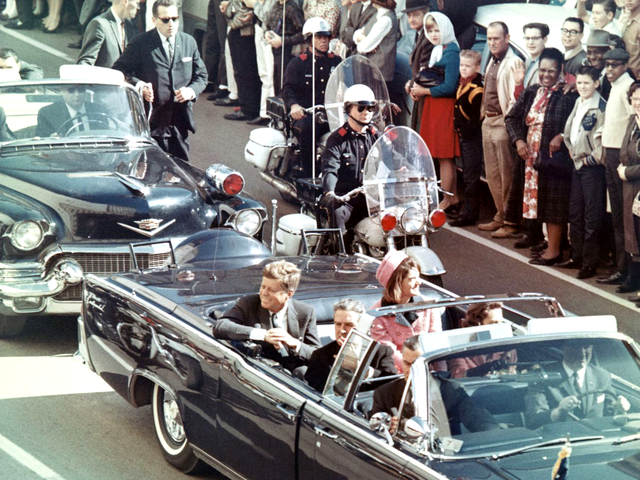
CIA Involement Considerations
The assassination of President John F. Kennedy on November 22, 1963, remains one of the most controversial and analyzed events in American history. Among the myriad of theories surrounding his death, one particularly compelling narrative suggests that the Central Intelligence Agency (CIA) played a pivotal role due to its waning influence during Kennedy's presidency. This theory delves into the intricate web of national security interests and political power dynamics that may have motivated such an extreme action.
Kennedy's presidency marked a period of significant geopolitical tension, particularly with the Cold War at its peak. The failed Bay of Pigs invasion in 1961, an attempt to overthrow Fidel Castro's communist regime in Cuba, was a significant blow to the CIA's credibility and influence. Kennedy's decision to take responsibility for the failure, coupled with his subsequent shift toward a more diplomatic approach with Cuba and the Soviet Union, further alienated the agency. His administration's pursuit of back-channel communications and potential normalization of relations with these adversaries was seen as a direct threat to the CIA's hardline anti-communist agenda.
The theory posits that within the CIA, there was a growing belief that Kennedy's policies were undermining U.S. national security. The agency, historically empowered to act with considerable autonomy in foreign affairs, found itself increasingly sidelined. The prospect of a détente with communist nations was anathema to the agency's leadership, who viewed such moves as capitulation to the enemy. This ideological clash set the stage for a potential power struggle, with some elements within the CIA allegedly considering drastic measures to preserve their strategic objectives.
Proponents of this theory argue that Kennedy's assassination was seen as a means to an end—a way to halt his perceived appeasement and restore a more aggressive U.S. foreign policy. By removing Kennedy, the path would be cleared for a leadership that aligned more closely with the CIA's vision of confronting communism head-on. This narrative suggests that the assassination was not merely an act of violence but a calculated move to shift the trajectory of American foreign policy.
The implications of such a theory are profound, suggesting a deep-seated conflict between elected officials and intelligence operatives over the direction of U.S. global strategy. It raises questions about the extent to which national security agencies can influence or even subvert democratic processes to achieve their ends. While the official investigation, led by the Warren Commission, concluded that Lee Harvey Oswald acted alone, the shadow of potential CIA involvement continues to fuel debate and skepticism.
In exploring this theory, it is essential to consider the broader context of the Cold War era, characterized by paranoia, espionage, and a fierce battle for ideological supremacy. The assassination of JFK, through this lens, becomes more than a tragic historical event; it represents a flashpoint in the ongoing struggle between diplomacy and militarism, between peace and power. As researchers and historians continue to sift through declassified documents and testimonies, the quest for truth persists, driven by the enduring mystery of what truly transpired on that fateful day in Dallas.